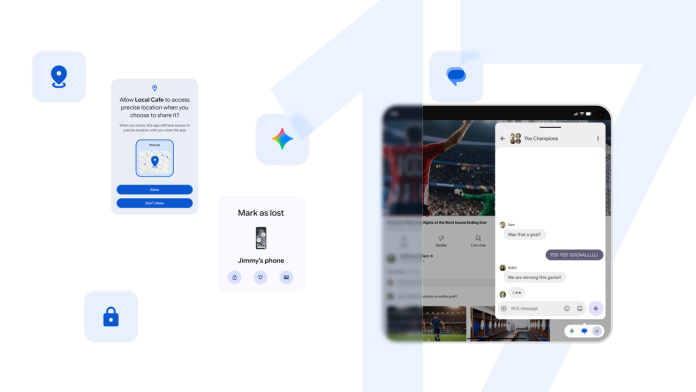
Android 17 arrives with a host of new features aimed at enhancing security and privacy, essential for small business owners navigating an increasingly digital landscape. This latest version emphasizes protecting sensitive information while offering streamlined functionality, potentially transforming how small businesses manage their operations and customer interactions.
At the heart of Android 17’s updates are new security enhancements. Notably, users can now grant apps temporary access to precise location data. This means small business owners can share location details with applications without compromising their entire address book, significantly boosting privacy during business transactions or customer engagement. This granular control supports compliance with privacy regulations, an often daunting task for smaller operations.
Moreover, the enhanced “Mark as lost” feature within Find Hub allows users to effectively lock a missing phone using biometrics. This ensures that sensitive data remains inaccessible even if someone has the phone’s passcode. For entrepreneurs handling confidential information, this feature serves as a vital lifeline for reducing risks related to data breaches.
Android 17 also introduces improvements to Live Threat Detection, designed to block more suspicious apps and scams that could compromise business operations. As cybersecurity threats continue to evolve, these enhancements can serve as a frontline defense against unknowingly downloading malicious software that could lead to data theft or operational downtime.
The Advanced Protection mode has received significant upgrades as well, helping to defend users from sophisticated threats. This heightened level of security is particularly beneficial for small business owners who often juggle multiple tasks and may not have dedicated IT resources to manage cybersecurity.
For those concerned about unauthorized access, Android 17 has limited the number of failed PIN attempts, adding longer wait times between attempts. This measure can deter would-be intruders attempting to breach a device, reinforcing security for sensitive business data.
While the benefits of these new features are compelling, small business owners should consider potential challenges. The added security settings may require retraining staff, especially those who are less tech-savvy. Companies may need to invest additional time in educating their teams about these changes to assure seamless integration into daily operations.
Furthermore, adjusting to the updated features could come with an initial learning curve. Small business owners may experience minor disruptions during the adoption phase, particularly as team members adapt to new security protocols and app permissions. Investing in training resources or workshops may mitigate some of these challenges and ensure everyone understands the importance of the new security features.
As the digital space expands, prioritizing security and privacy is paramount for small businesses looking to build trust with customers. The enhancements in Android 17 not only offer robust protections but also create opportunities for businesses to present themselves as secure, reliable, and forward-thinking.
Adopting these new features can transform how small businesses protect sensitive information, engage with customers, and ensure operational security. By leveraging the capabilities of Android 17, small business owners can take proactive steps towards a safer digital environment, helping to facilitate growth and foster trust among their clientele.
With these updates, the Android platform continues to push for stronger security measures, aligning with the interests of small business owners who are often vulnerable in the face of cyber threats. As always, staying informed about technological advancements will be key to navigating the landscape effectively.
For more information, you can read the full details about the Android 17 update here.
Image Via Google Pixel