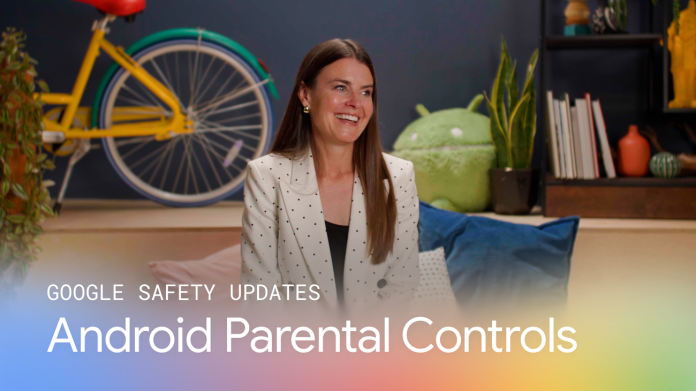
Android Users Gain Expanded Parental Controls: A New Tool for Small Business Owners
As small business owners increasingly navigate the complexities of a digital-first landscape, recent developments in Android technology promise to enhance not only individual device management but also foster healthier digital interaction among families. Google has announced the expansion of its Android Parental Controls to all devices running Android 17, providing significant tools for managing children’s screen time effectively.
Android Parental Controls are designed to help parents strike a balance between fun and responsibility—an appealing proposition for small business owners who often juggle multiple roles, including managing family and work-life balance. Available directly in Android Settings, these controls serve as a centralized hub for both built-in device management features and the Google Family Link application.
Key features include the ability to set daily screen time limits, create automated downtime schedules, and manage app usage—all protected by a simple PIN for security. These functionalities empower parents to instill healthy habits while ensuring that children have a safe, guided experience online.
Small business owners with children in today’s tech-savvy environment may find these tools especially useful. Setting specific daily screen time can help regulate their children’s use of devices, fostering healthier habits from a young age. For example, a parent can configure limits to suit their children’s schedules, ensuring homework stays a priority without distraction.
Moreover, the downtime feature can automatically lock devices during designated periods, such as family dinner times or bedtime. This capability not only promotes restful sleep but also encourages quality family interactions—both of which can greatly benefit business owners by nurturing a more balanced life.
The app store filter allows parents to restrict downloads based on content ratings, an essential feature for maintaining age-appropriate exposure to media. As many small business owners know, the content younger generations consume can influence their values and behaviors, including how they view products and services.
In addition to these practical features, Android Parental Controls is directly linked to Google Family Link, further enhancing its usability. Family Link viewers can set up specific capabilities such as approving purchases from the Google Play Store, receiving location alerts, and even managing screen time during school hours—a particularly useful feature for busy parents trying to maintain a healthy digital balance for their children.
Google is also fortifying its commitment to creating a healthier digital environment with an increased U.S. digital wellbeing fund, now bolstered to over $50 million. This funding supports new initiatives focused on effective technology interactions and combats issues such as social isolation among youth. For small business owners invested in the wellbeing of their communities, these collaborative efforts offer grassroots opportunities to engage with local youth and families, promoting awareness around healthy tech habits.
While these new parental controls undoubtedly offer numerous benefits, small business owners should be mindful of potential pitfalls. For instance, it may take time to implement these settings and communicate their importance to children. Furthermore, without consistent enforcement, the effectiveness of these tools could diminish.
Additionally, reliance on technology to manage children’s behaviors could present risks if parents do not actively engage in discussions about online safety and digital responsibility. Striking the right balance between supervision and independence is crucial for fostering autonomous and responsible digital citizens.
For small business owners seeking to optimize their family life while boosting their digital literacy, the newly expanded parental controls present an effective solution. The initiative aligns well with ongoing trends toward digital wellbeing—not only for parents but for children and, by extension, the communities surrounding family-owned businesses.
Google’s continued investment in digital wellbeing brings a fresh perspective that small business owners can embrace, influencing their approaches to work-life balance and community engagement.
For more detailed information about the new features and initiatives, visit the original post here.
Image Via Android